

Edge Lands
Why Coastal Communities Deserve More Than Sentiment

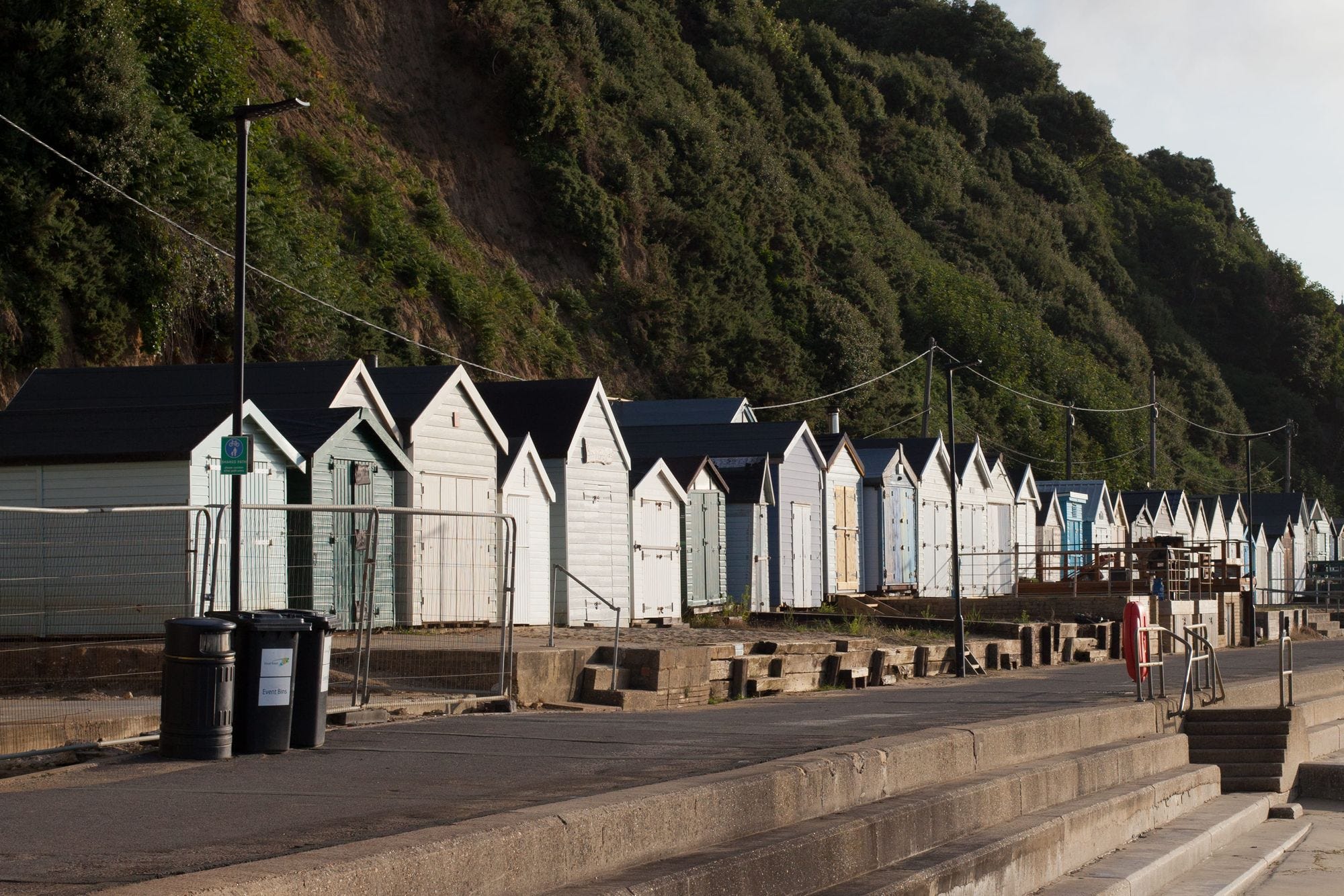
There’s something beguiling about the British coastline. Windswept promenades, ramshackle beach huts, and the faded glamour of arcades and amusement parks — these places stir memories. But behind the romantic veneer, a quieter crisis is unfolding.
Coastal communities have, for too long, sat at the periphery — not only of geography, but of political and economic attention. The charm of the seaside conceals a harder truth: the UK’s edge lands have always been overlooked and still are, and young people are bearing the brunt.
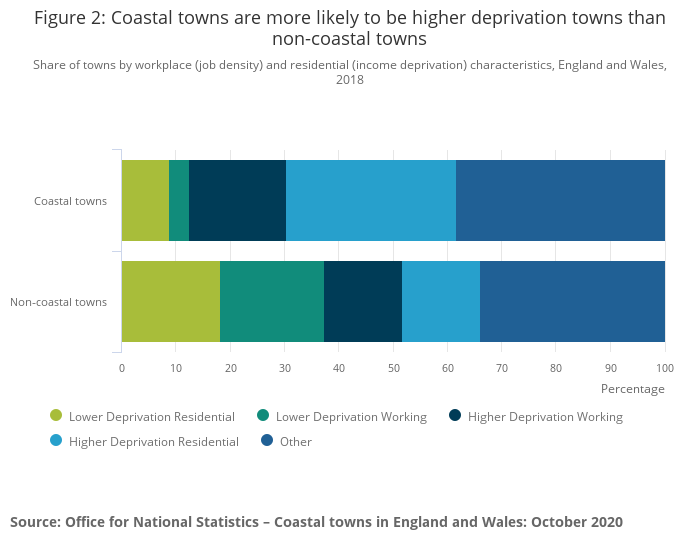
The statistics tell a sobering story. Many of our coastal towns rank among the most deprived in the country. The Office for National Statistics notes that “employment rates in coastal towns are lower than in non-coastal towns,” with persistent disadvantages shaping lives across generations [ONS, 2020]. This is not a temporary dip, but the result of long-term neglect. The scaffolding of opportunity — transport, education, industry, health — has rusted or vanished altogether.
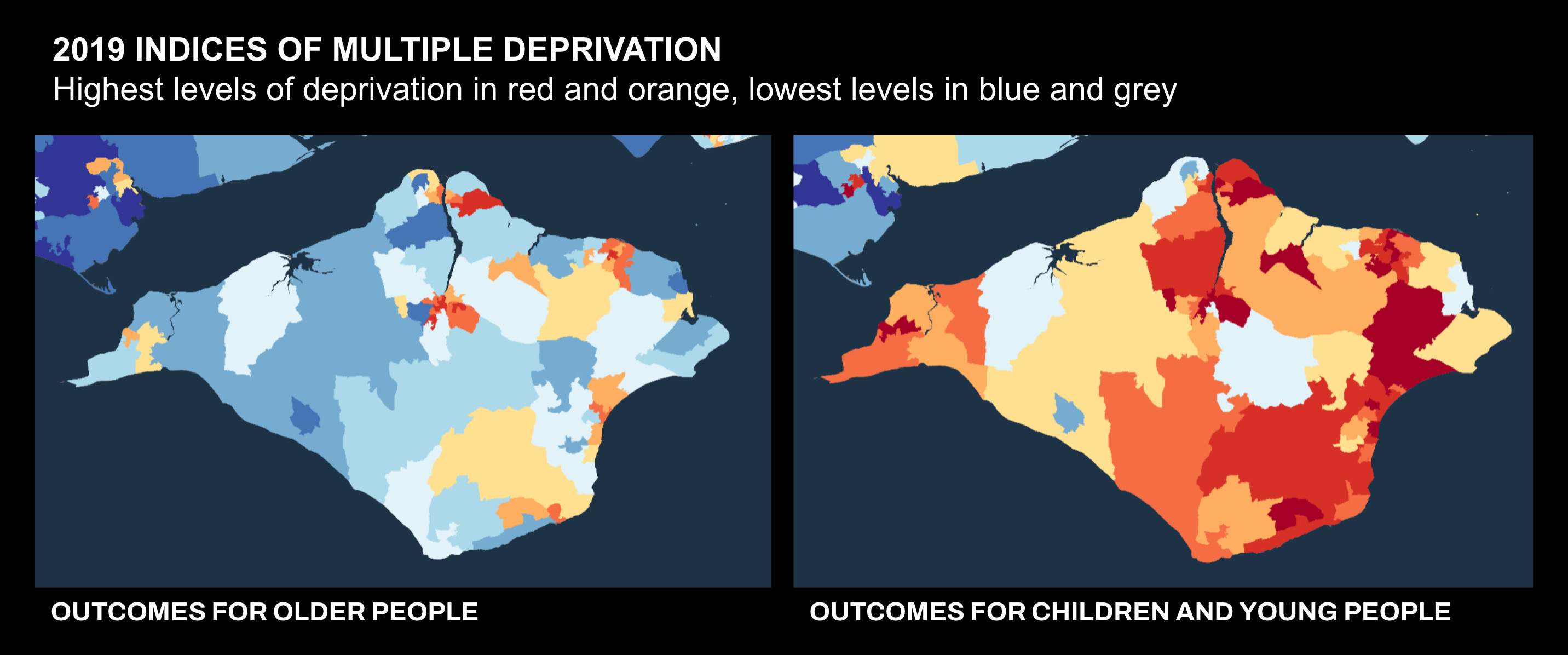
The most profound impact is on young people. A 2024 study by the University of Essex found that youth living in England’s most deprived coastal communities have the worst health outcomes in the country [Essex, 2024]. Worse than urban inner cities. Worse than rural poverty. This is not just about healthcare access — it’s about a lack of investment in futures.
We spoke with local people on the Isle of Wight as part of our research for the Davidson Prize 2025, and one particular theme came up that struck a chord with us: disconnection. As a recent study from University College London puts it, coastal youth often feel “cut off” — emotionally, economically, and socially [UCL, Coastal Youth]. The sea becomes both a horizon and a barrier. There is beauty, but little sense of belonging.
In the Isle of Wight, as in other coastal areas, the disparity between the old and young generations is like an ocean. Wealthy older people retire to the coast, living in relative comfort (with, of course, many exceptions), while younger cohorts are left with that rusting infrastructure and a lack of political will.
So what does it mean to design with coastal communities, rather than for them?
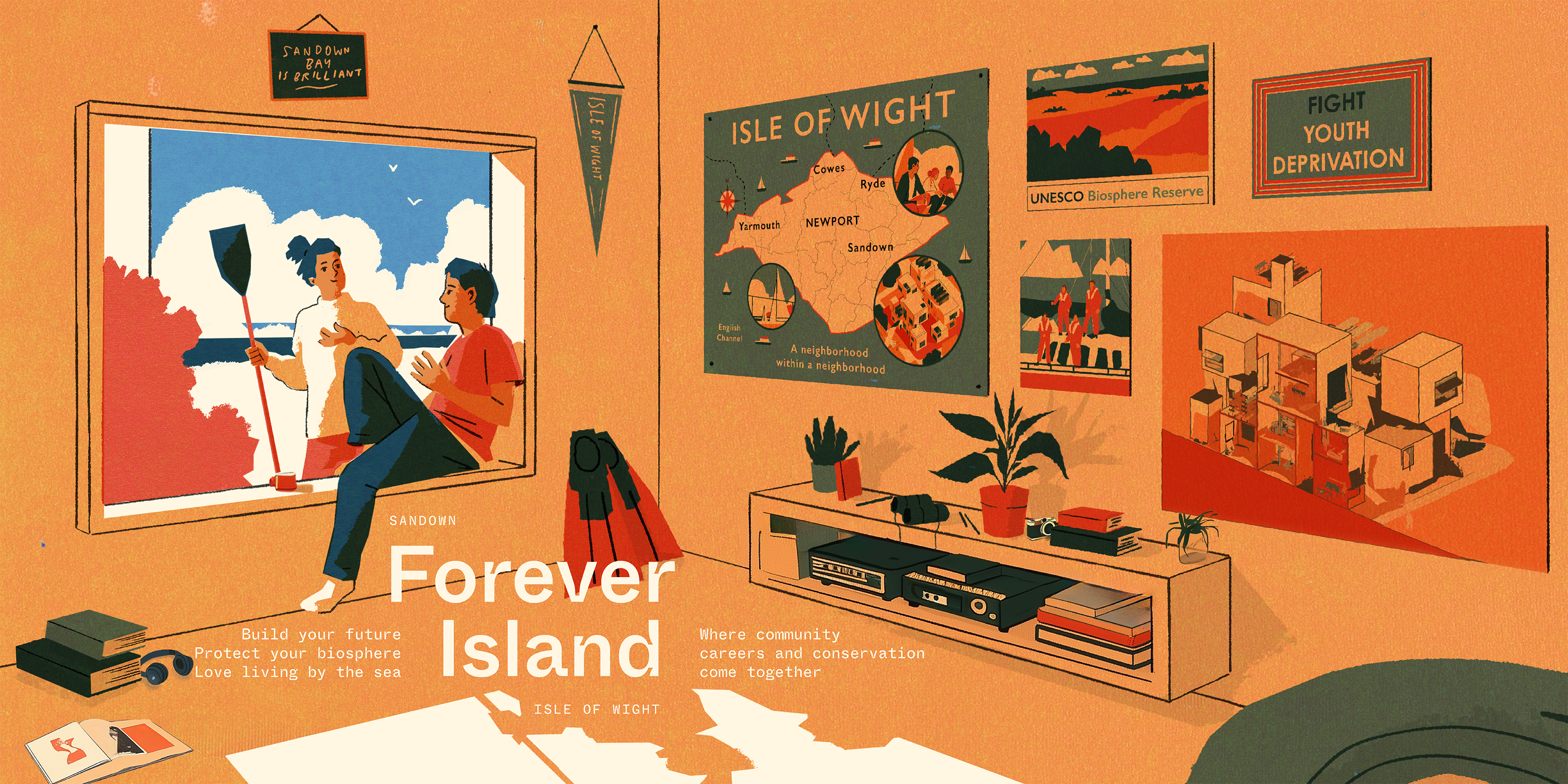
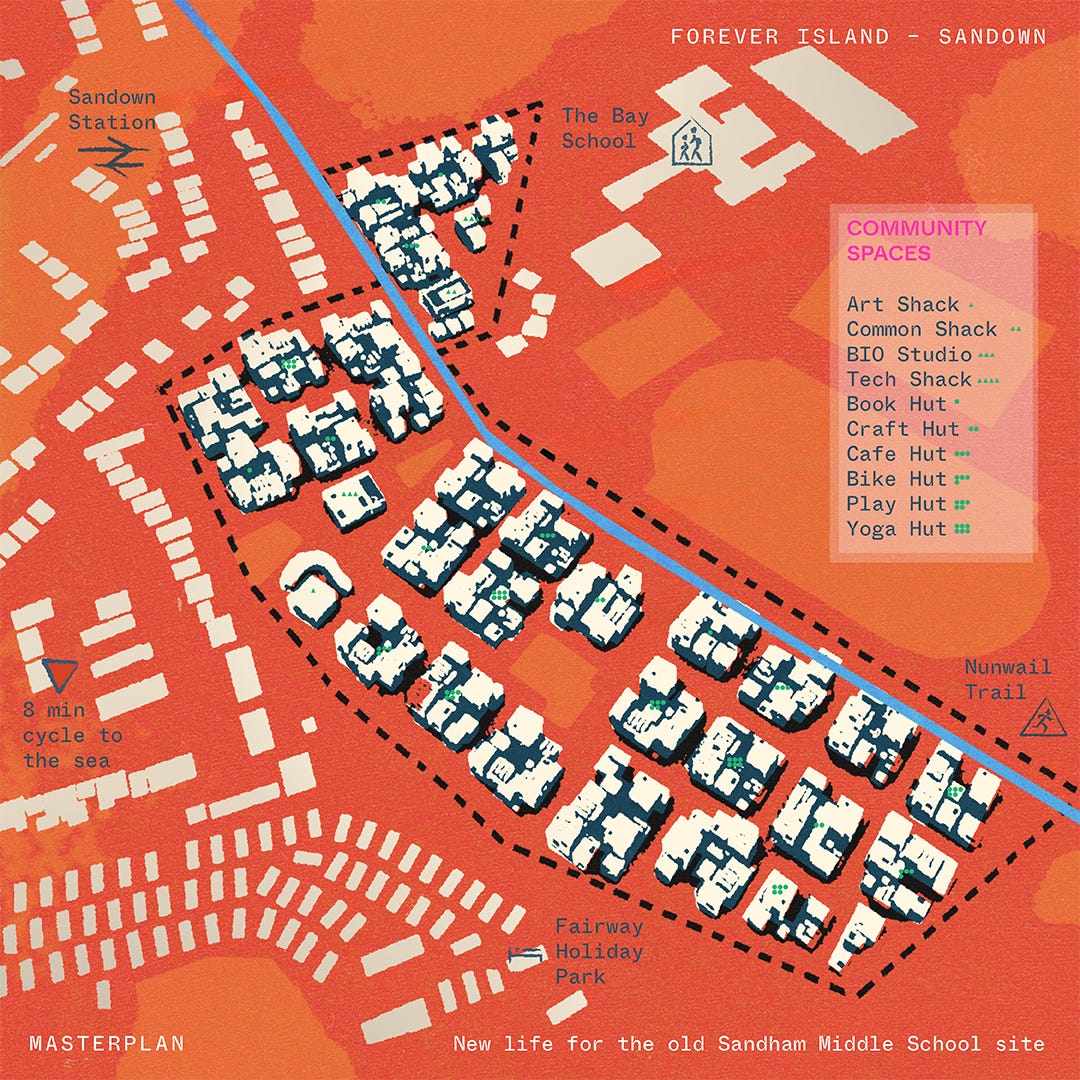
Our Davidson Prize submission, Forever Island, begins with this question. It's not a masterplan. It’s a plea for the time and space to do some listening. A spatial strategy hoping to upend the experience of young people who are too often invisible in planning processes and development agendas, especially in places like the Isle of Wight.
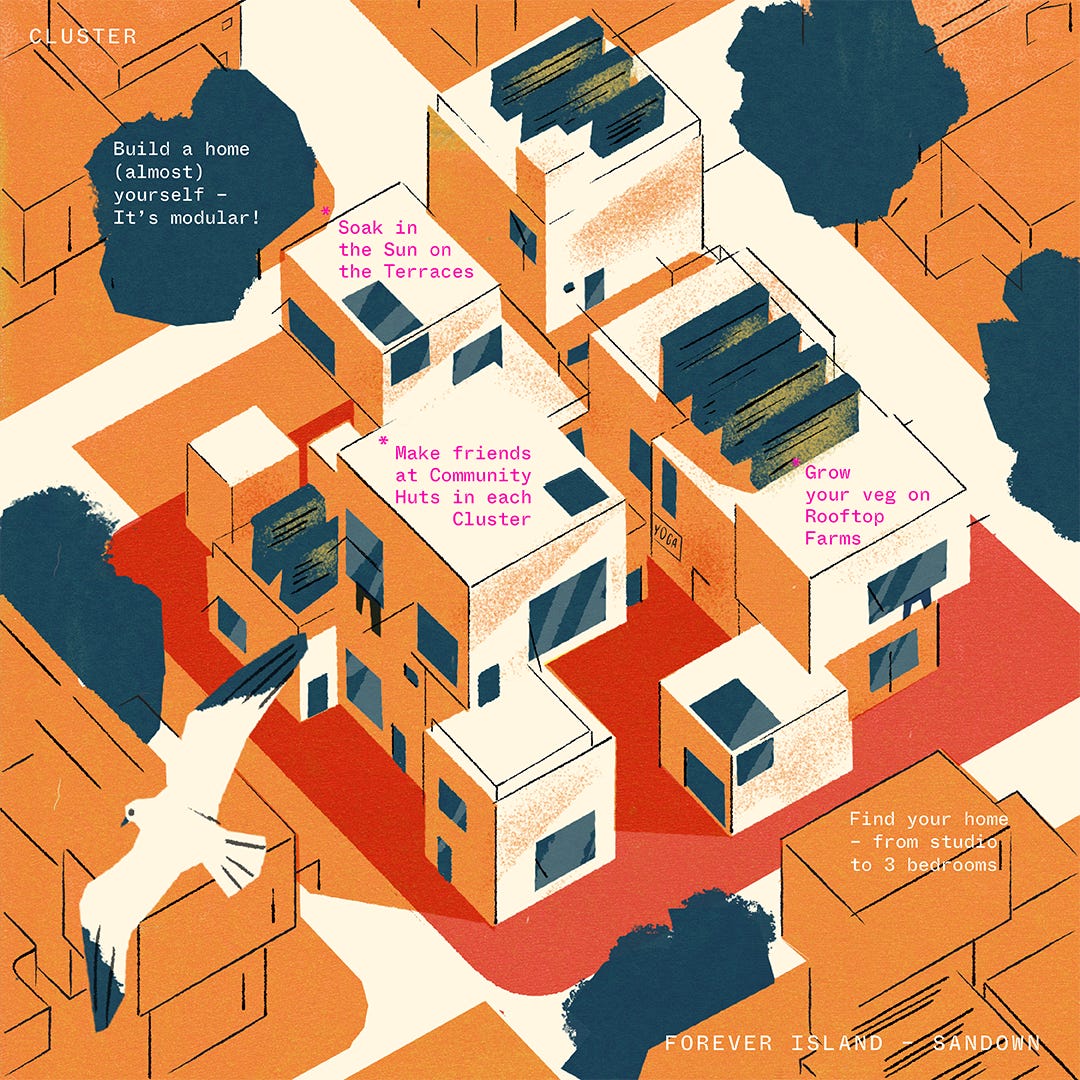
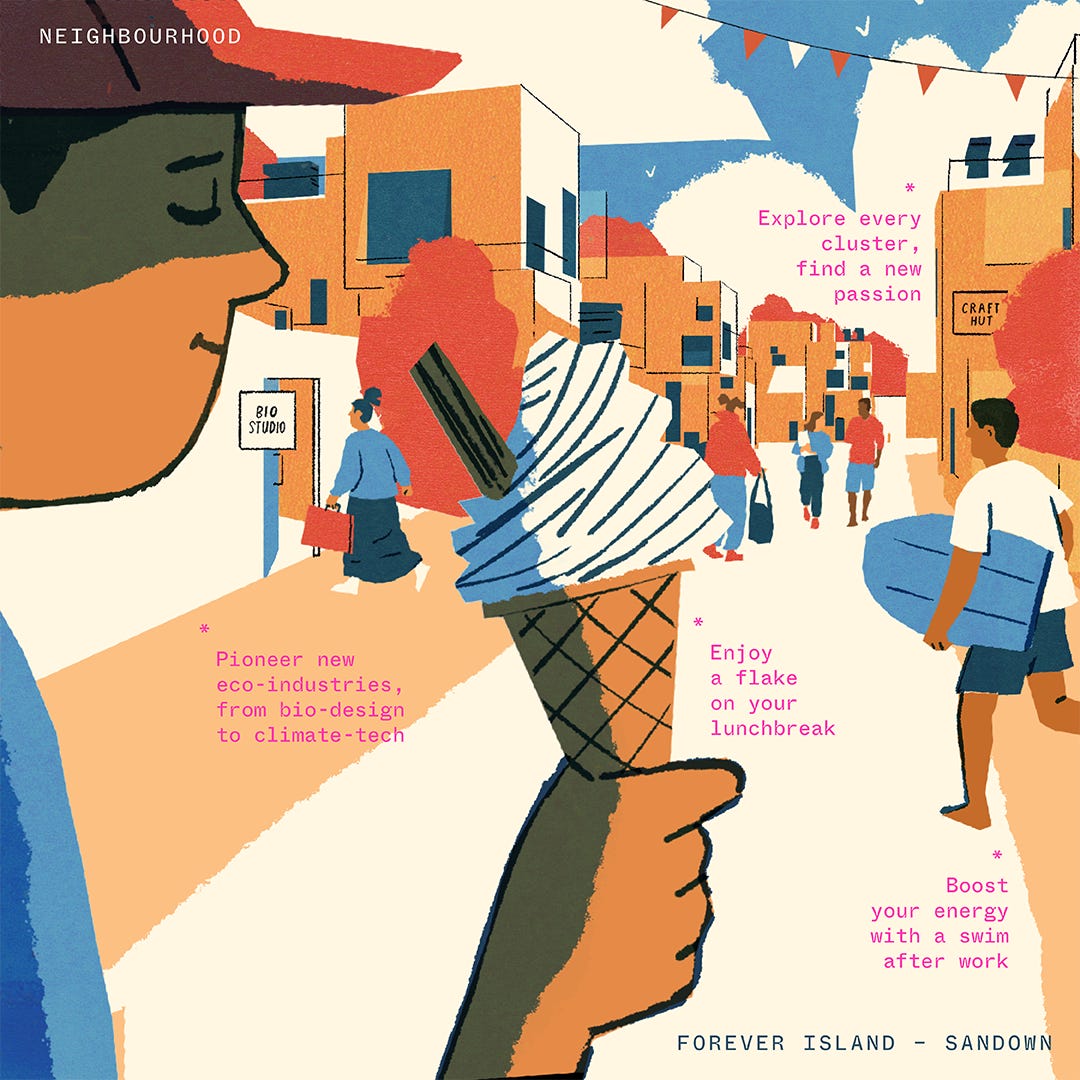
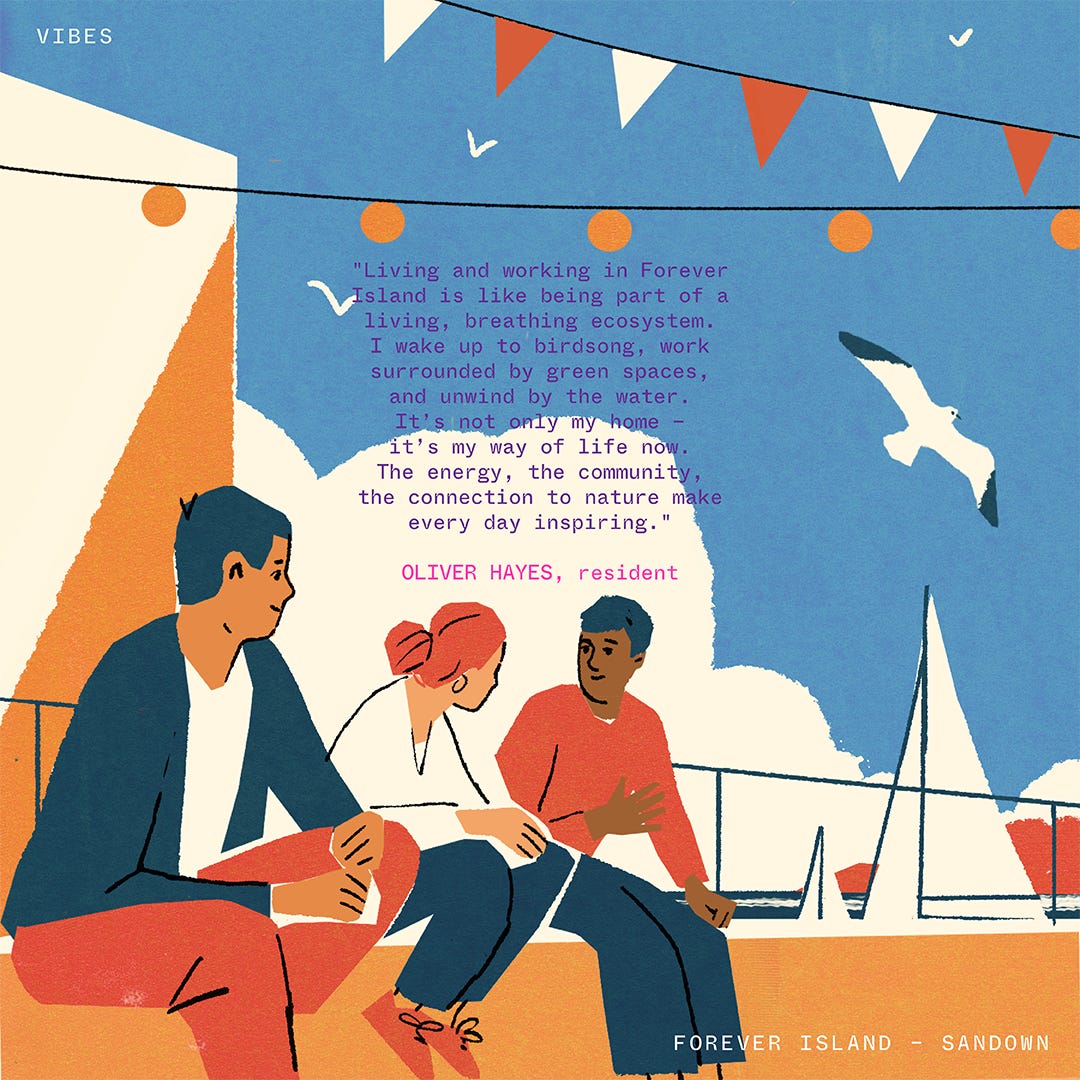
The proposal reimagines coastal living not as nostalgic retreat, but as generative ground for the future. We imagine youth-focused housing — affordable, adaptable, and dignified — built not on the margins, but in the centre of the community story. These aren’t token gestures or glossy new builds. They’re frameworks: places where young people can forge their own paths, stay local by choice (or even come here from the big city), and have access to the resources that support their ambitions. Aspiration is the factor that drives young people off the island, here it is the thing they stay for.
Place matters. As the government’s own Chief Medical Officer stated in his 2021 report, “the physical and economic isolation of coastal communities exacerbates deprivation,” impacting health, education, and life expectancy [CMO, 2021]. When we ignore the systems that shape places, we entrench inequity.
We’ve also seen how poorly managed regeneration can deepen these divides. In towns like Margate, as highlighted by the BBC, the influx of capital and creativity has paradoxically priced out many of the very people it was meant to uplift [BBC, 2021]. Coastal gentrification without inclusion is not revival — it’s replacement.
At The Place Bureau, we believe in a different model. One where regeneration is not just about aesthetics or investment returns, but about care, stewardship, and long-term rootedness. Our proposal weaves housing with skills development, public realm, and nature recovery. We see these places not as broken, but as brimming with untapped potential — if only we listen better.
“Coastal charm disguises deprivation,” as Wave Community Bank so aptly puts it [Wave, 2021]. We agree. But we also believe that design has the power to uncover — and to reimagine.
There is a tendency in national discourse to speak of ‘levelling up’ in abstract terms — to pit region against region, north against south. But the truth is more nuanced. As researchers at the University of Plymouth argue, coastal inequality is a distinct form of marginalisation that requires its own vocabulary and response [Plymouth, 2021].
This is not just a policy problem. It’s a cultural one. We need new stories about the edge — stories that don’t frame it as an end point, but as a beginning.
Forever Island is our contribution to that narrative shift — a call to rethink value, legacy, and what it means to belong on the coastline, especially for young people.
It draws on our growing body of work with coastal communities around the UK:
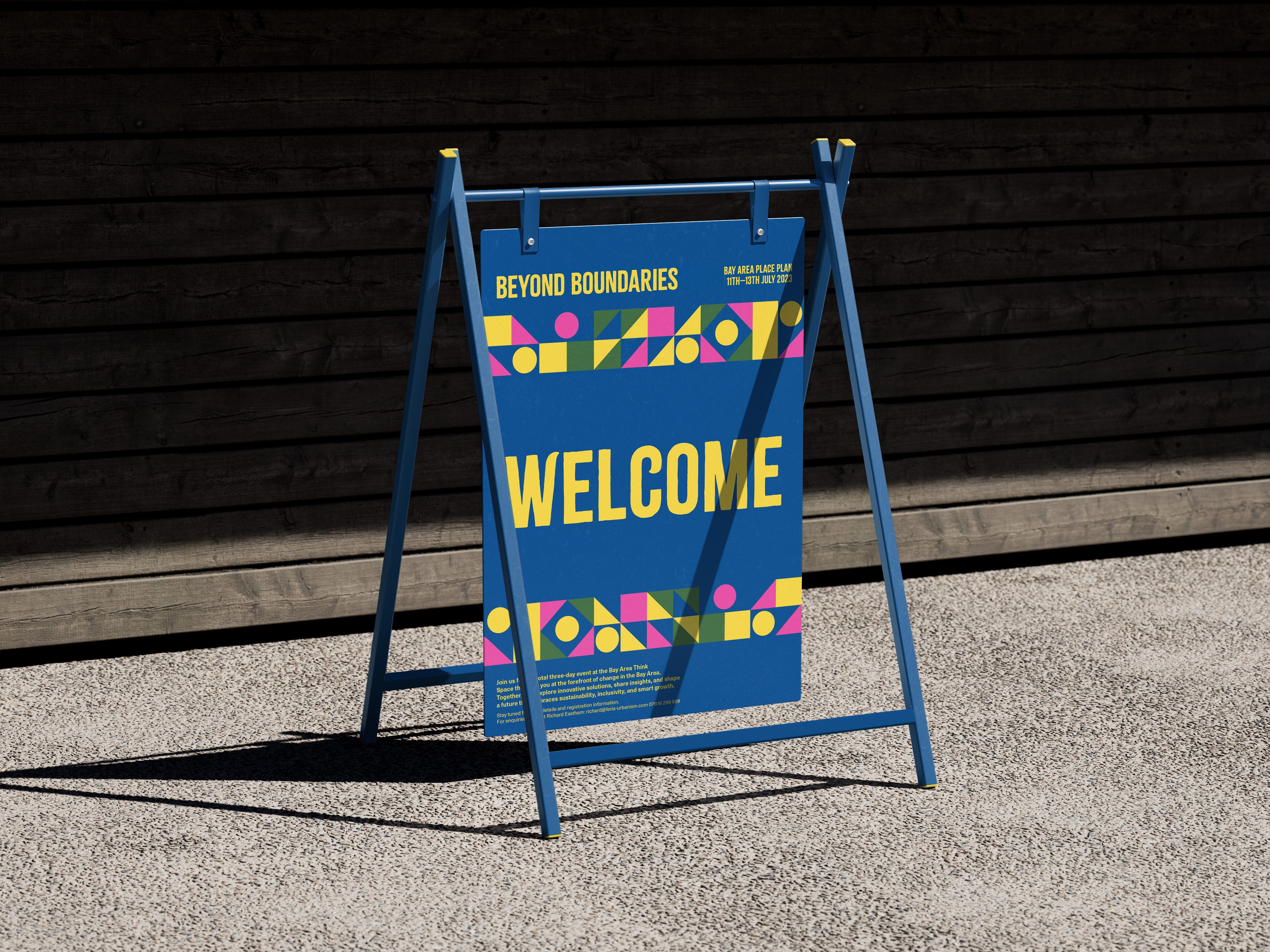
In Sandown, well, we’ve been here before! In 2023, we teamed up with Feria Urbanism and Støriie to create the Bay Area Place Plan — a shared vision for the parishes of Sandown, Lake and Shanklin. That work sparked Building The Bay, an active new steering group, and a summer programme of arts events set to animate the promenade.
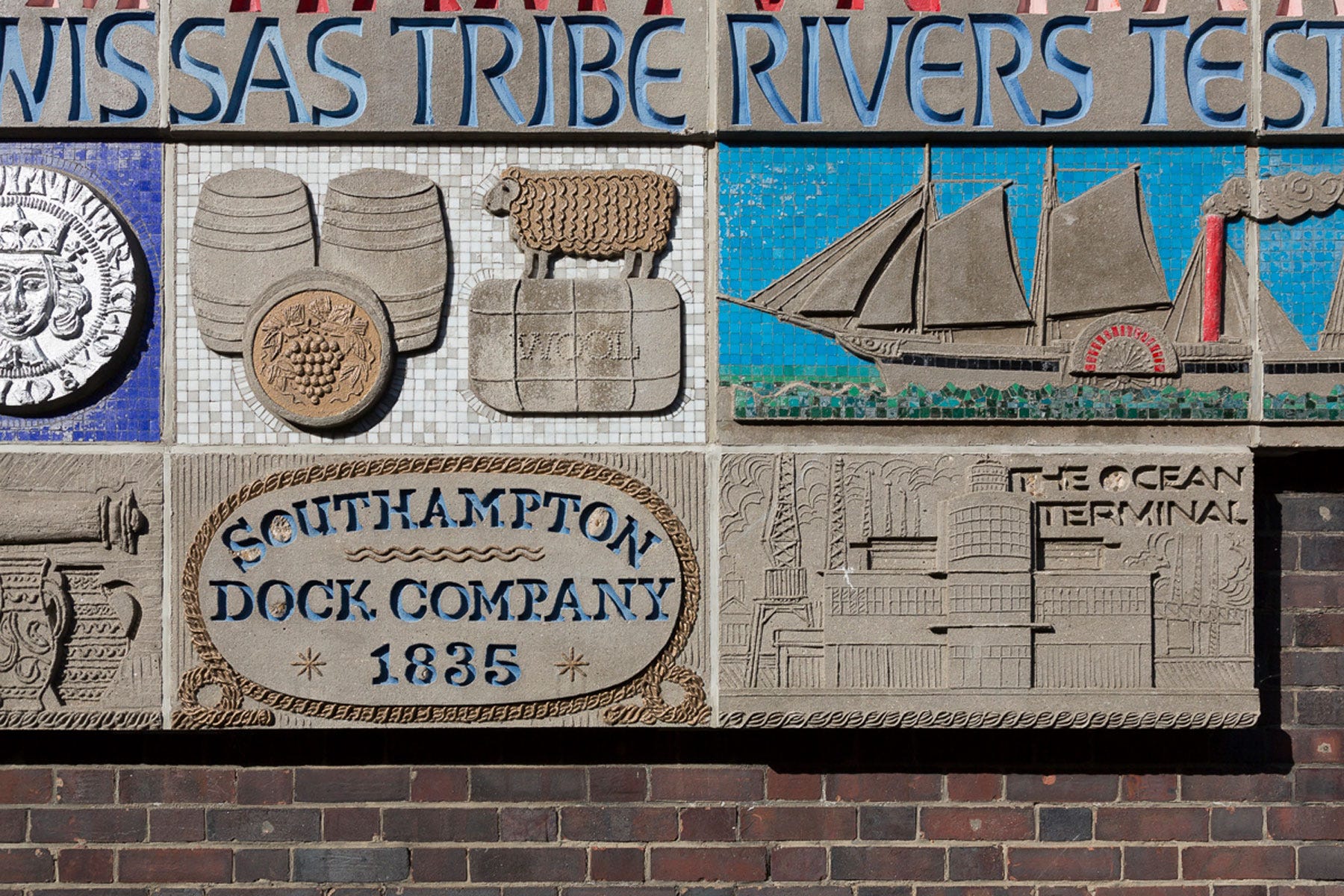
In Southampton, we collaborated with Prior+Partners to shape a bold new vision for the city centre for the Renaissance Board. The plan reclaims underused spaces, reimagines neighbourhoods, and restores the iconic waterfront as a civic anchor. The vision is a rallying cry for innovators and changemakers to support and invest in this critical moment.
And in Adur and Worthing, we’ve just begun working with Ideas Alliance to explore a fresh vision in the context of devolution. Watch this space as we dive into what the future could hold for this diverse stretch of coastline.

We believe coastal places hold enormous untapped potential — and that with the right ideas, partnerships and momentum, that potential can be unlocked. Developing ambitious and collaborative visions is what we do best here at The Place Bureau, but it’s just the first step on the road to change.
If Forever Island sparks something for you — whether it’s a collaboration, a site, a funding idea or simply a conversation — let’s talk. While we’ve imagined this concept for Sandown, it’s a model that could work in many coastal communities. Could we bring our campus to your town?
And lastly, the easiest way for you to support, with just the click of a button, is to vote for our submission in the people’s choice awards: https://form.jotform.com/250892443342356
The tide is turning. Let’s build something lasting.